Terapie dítěte po rozchodu: Jak pomoci dítěti přežít rozvod rodičů
When a child goes through their parents' separation, it's not just a change of address—it's a rupture in their sense of safety. Terapie dítěte po rozchodu, specifická forma psychoterapie zaměřená na děti, které prožívají rodinnou krizi. Also known as dětská psychoterapie, it helps children process emotions they can't yet name: confusion, guilt, anger, or the quiet sadness of losing the family they knew. This isn't about fixing the parents—it's about giving the child a space where their feelings matter, even when no one else seems to notice.
Many parents think kids "don't understand" or "get over it quickly," but children absorb tension like sponges. They don't always cry or act out—sometimes they just become quieter, withdraw from friends, start having nightmares, or blame themselves. Dětské trauma, hluboké emocionální zranění způsobené náhlou změnou v rodinném systému doesn't always look like screaming. It shows up in school refusal, stomachaches with no medical cause, or sudden changes in sleep. And if left unaddressed, it can shape how they see love, trust, and themselves for years.
That's why rodinná terapie, přístup, který zahrnuje i rodiče, aby se změnila celá dynamika is often more effective than individual sessions alone. A child doesn't live in a vacuum—they live in a home. If one parent is angry, the other is overwhelmed, and no one talks about the divorce openly, the child feels like they have to carry the silence. Family therapy helps parents learn how to communicate with each other—and with their child—without blame, without secrets, and without making the child feel like a mediator.
You don't need to wait until your child is falling apart to seek help. Even if they seem fine, if there's been a breakup, therapy can prevent long-term emotional scars. It’s not about making them "happy" again—it’s about helping them understand that it’s okay to feel sad, scared, or even relieved. That their emotions are valid, even if the adults around them are trying to stay strong.
What you’ll find in the posts below are real, practical insights from Czech therapists who work with children every day. You’ll learn how to explain therapy to your kid without scaring them, what signs to watch for after a separation, how play therapy actually works, and why some kids need more time than others to heal. These aren’t theories—they’re tools used in clinics across the country, tested with real families who’ve been where you are.
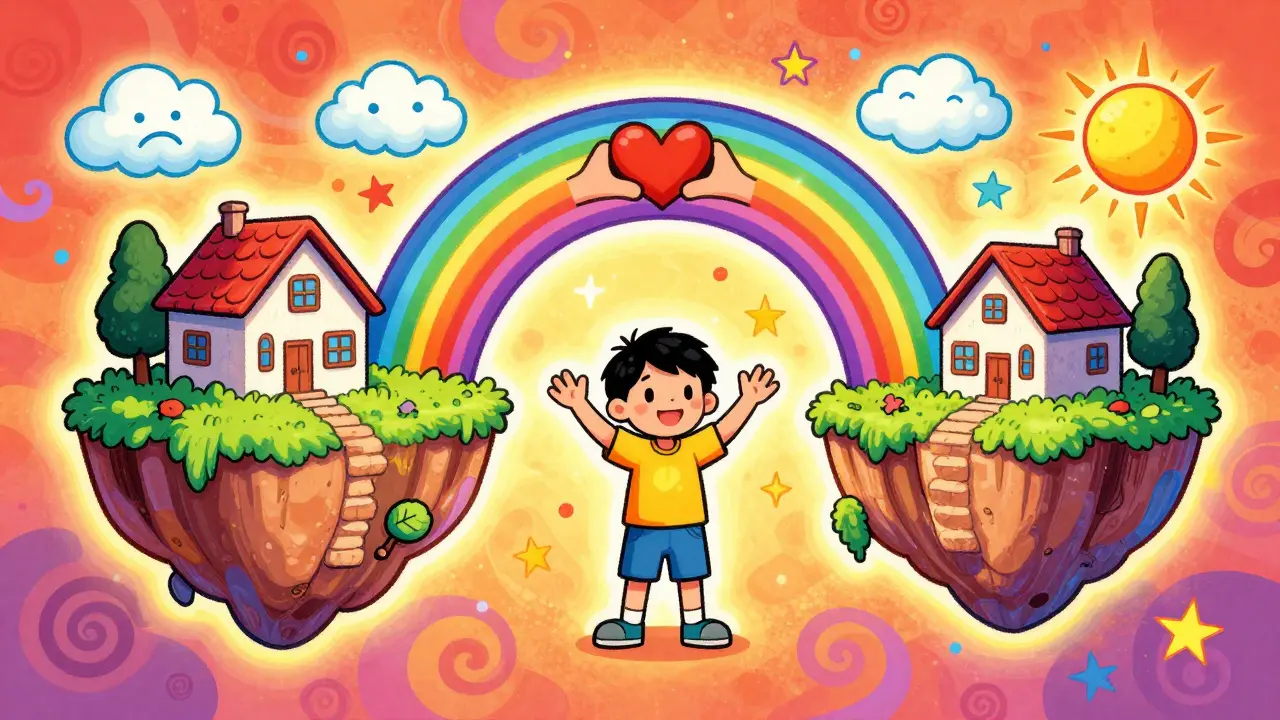
Jak zapojit druhého rodiče při terapii dítěte po rozchodu: praktické kroky a vědecké důvody
Zapojení obou rodičů do terapie dítěte po rozchodu je klíčové pro jeho emocionální zdraví. Zjistěte, jak metoda Archipelago, mediace a digitální nástroje pomáhají dětem zotavit se a jak začít s prvními kroky.
- Psychoterapie (146)
- Psychologie a duševní zdraví (16)
- Psychologie a terapie (12)
- Zdraví a léčba závislostí (12)
- Psychologie (5)
- Psychologie a zdraví (3)
- Zdraví a psychologie (2)
- Zdraví a psychoterapie (1)
-
Rodiče dětí s autismem: Psychoedukace a podpora rodiny v České republice
3 lis 2025 -
Cenová transparentnost u terapeutů: Jak se ptát na cenu a storno podmínky
27 lis 2025 -
Virtuální realita v psychoterapii - budoucnost online léčby
23 říj 2025 -
Jak vysvětlit ADHD okolí: Psychoedukace pro rodinu a učitele
7 úno 2026 -
Jak hodnotit pokrok u poruch osobnosti: Měřitelné ukazatele změny
11 bře 2026
7.12.25
Svatopluk Říha
0