Jak vysvětlit psychologa dítěti
When explaining to a child that they're going to see a psychologa, odborník, který pomáhá lidem porozumět svým pocitům a chování. Also known as dětský psycholog, it is not a doctor who gives shots or diagnoses illnesses—it's someone who listens, plays, and helps you feel better from the inside. Many parents think they need to make it sound like a game or hide the truth to protect their child. But children aren't fooled by silence. They sense when something is off—and that’s when fear grows. The truth, told gently, is always safer than a lie wrapped in sugar.
What matters most isn't the perfect words, but the přístup, způsob, jakým rodič představuje terapii jako místo bez soudu. A child doesn’t need to understand the word "psychoterapie"—they need to know that their feelings matter, that it’s okay to be sad or angry, and that someone will sit with them in that mess. This isn’t about fixing brokenness. It’s about helping them feel seen. When you say, "Chceme, aby někdo pomohl, když se ti něco na duši těžko dělá," you’re not talking about illness—you’re talking about care. And that’s a message a child can hold onto.
Don’t wait until they’re crying every night or refusing school. Early conversations build trust. If your child asks, "Proč musím jít?" don’t answer with "Protože to řekl lékař." Instead, say, "Myslíme, že by ti mohl pomoct někdo, kdo ví, jak se cítí, když něco tě těžce trápí." You’re not sending them to be fixed—you’re giving them a tool. And tools don’t scare kids. Tools help them do things they couldn’t before—like sleep through the night, talk about school, or stop feeling alone.
The komunikace o terapii, způsob, jakým rodiče mluví o psychologovi s dítětem sets the tone for everything that follows. If you sound nervous, they’ll feel unsafe. If you sound calm and curious, they’ll follow your lead. You don’t need to have all the answers. You just need to be willing to sit with them while they figure it out. Some kids want to draw it. Others want to ask a hundred questions. Some won’t say a word for weeks. That’s normal. What’s not normal is pretending it’s not happening.
And if your partner disagrees? That’s a separate conversation—but don’t let it stop you. One parent’s quiet support can be enough to open the door. You don’t need everyone on board. You just need one person who believes it’s worth trying.
Below, you’ll find real stories from parents who’ve been there—how they explained it, what worked, what didn’t, and how their child actually responded. No theory. No jargon. Just what happens when you stop worrying about sounding perfect and start being real.
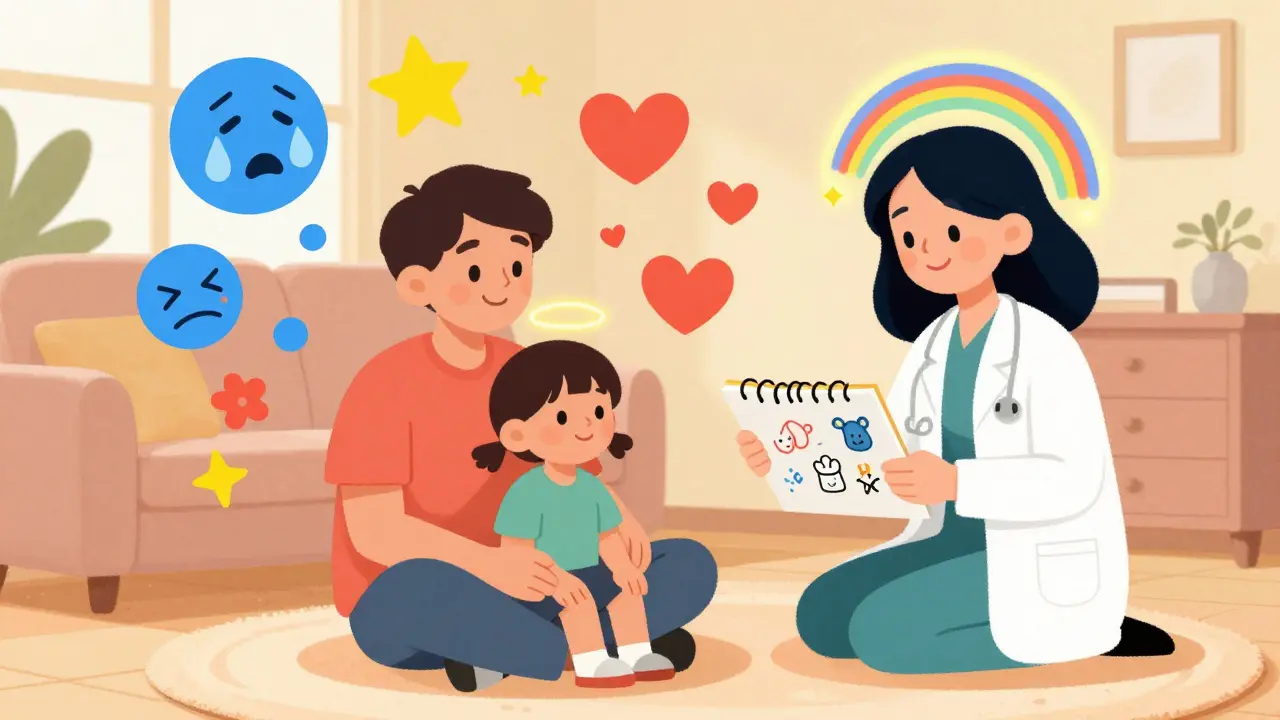
Jak vysvětlit dítěti, že jde na psychologa: jednoduchá komunikace bez strachu
Jak vysvětlit dítěti, že jde na psychologa, aniž by se bojelo? Přímočaré rady od českých odborníků - bez leží, bez trestů, jen s důvěrou a jasnou komunikací.
- Psychoterapie (129)
- Psychologie a terapie (12)
- Psychologie a duševní zdraví (12)
- Zdraví a léčba závislostí (11)
- Psychologie (5)
- Psychologie a zdraví (3)
- Zdraví a psychologie (2)
- Zdraví a psychoterapie (1)
-
Ambulantní a pobytová léčba závislostí - kdy zvolit kterou?
13 úno 2025 -
Trauma a poruchy příjmu potravy: Klíčové faktory a terapeutické přístupy
24 čec 2025 -
Věk a zkušenosti terapeuta - co opravdu ovlivňuje úspěch psychoterapie
17 pro 2024 -
Psychoterapie mentální bulimie - léčba přejídání a zvracení
16 čec 2025 -
Psychoterapie a životní změny: Jak terapie pomáhá přežít krize a stát se odolnějším
4 pro 2025
4.12.25
Svatopluk Říha
0